
Old Town Winchester wakes slowly, like a film scene before the first line of dialogue. The brick sidewalks still hold the night’s cool breath, and the cafés hum quietly as their lights flicker on. The air feels soft — the kind that invites reflection.

Sung Lee‑ho waits by the brick archway, hands relaxed down on her hips. She likes arriving early; it gives her space to notice the world before conversation begins. When her client approaches, she greets them with a calm smile — not rehearsed, just real. Together they start walking, their pace unhurried, their steps echoing faintly against the old stone.
They pass the cafés, the scent of roasted coffee drifting through open doors. Sung Lee‑ho listens more than she speaks, attuned to the subtle shifts — the way her client’s shoulders drop when tension leaves, the steadier rhythm of their voice as they share small stories from the week. For him, companionship isn’t about filling silence; it’s about understanding it.
At the farmers market, color returns to the morning. She helps choose flowers for the client’s kitchen, insisting they smell each bouquet before deciding. They laugh together — a light, genuine sound that cuts through the quiet. It’s a simple moment, but simple moments are where connection lives.
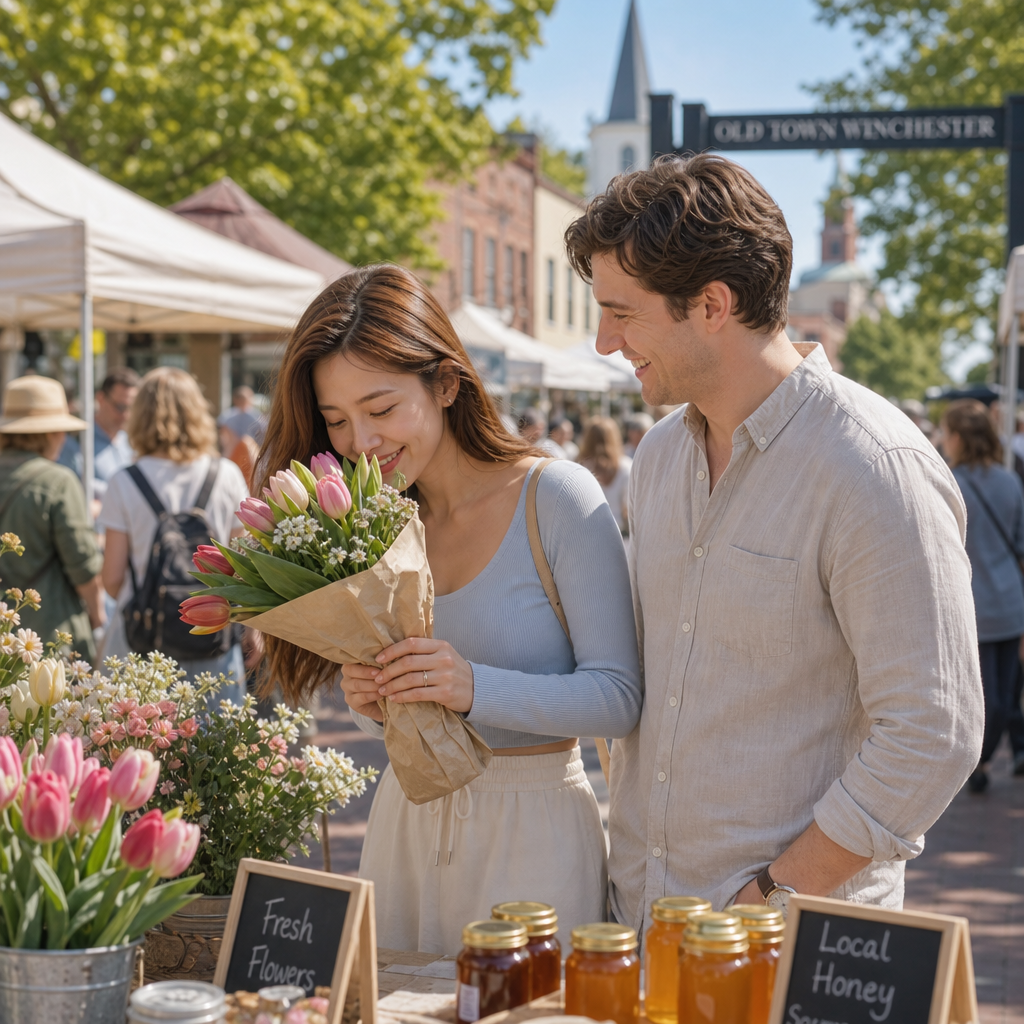
Later, they sit on a bench near the courthouse, sunlight warming the stone beneath them. The client speaks softly, revealing something that’s been kept inside too long. Sung Lee‑ho doesn’t rush to respond. She just listens — steady, present, unhurried — letting the space between words do its quiet healing.
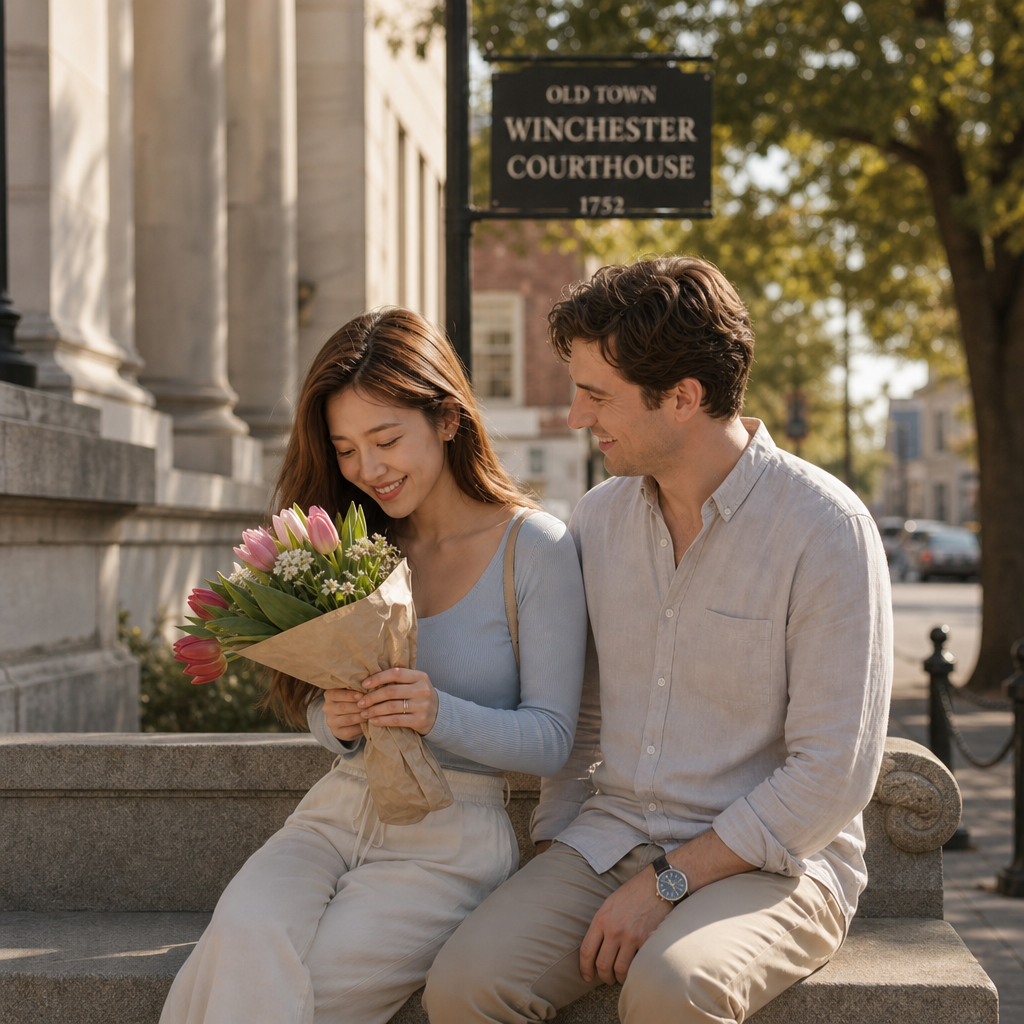
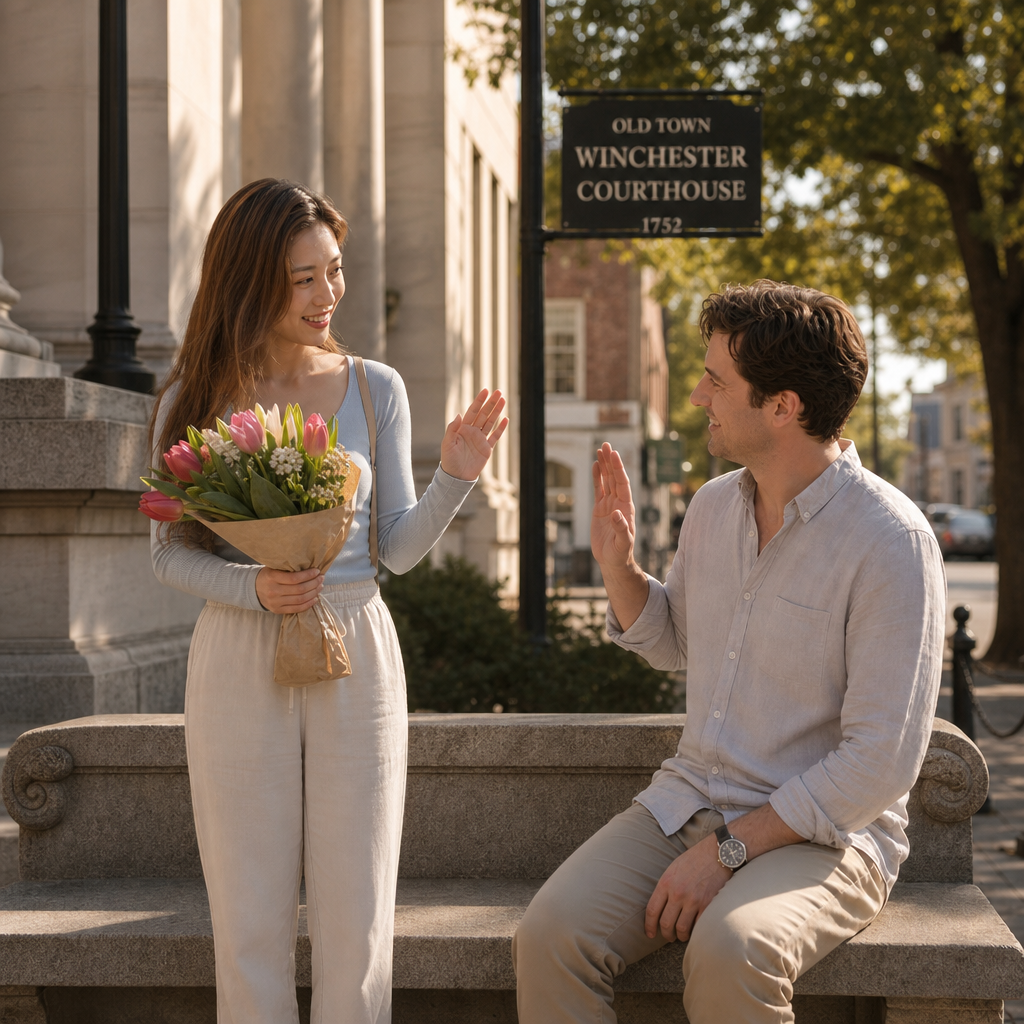
When they part, the client’s expression is lighter, the air around them easier. Sung Lee‑ho watches them walk away, tulips in hand, and feels that familiar truth settle in again: sometimes a walk through Old Town isn’t just a walk. It’s a reset — a quiet return to oneself.
You must be logged in to post a comment.